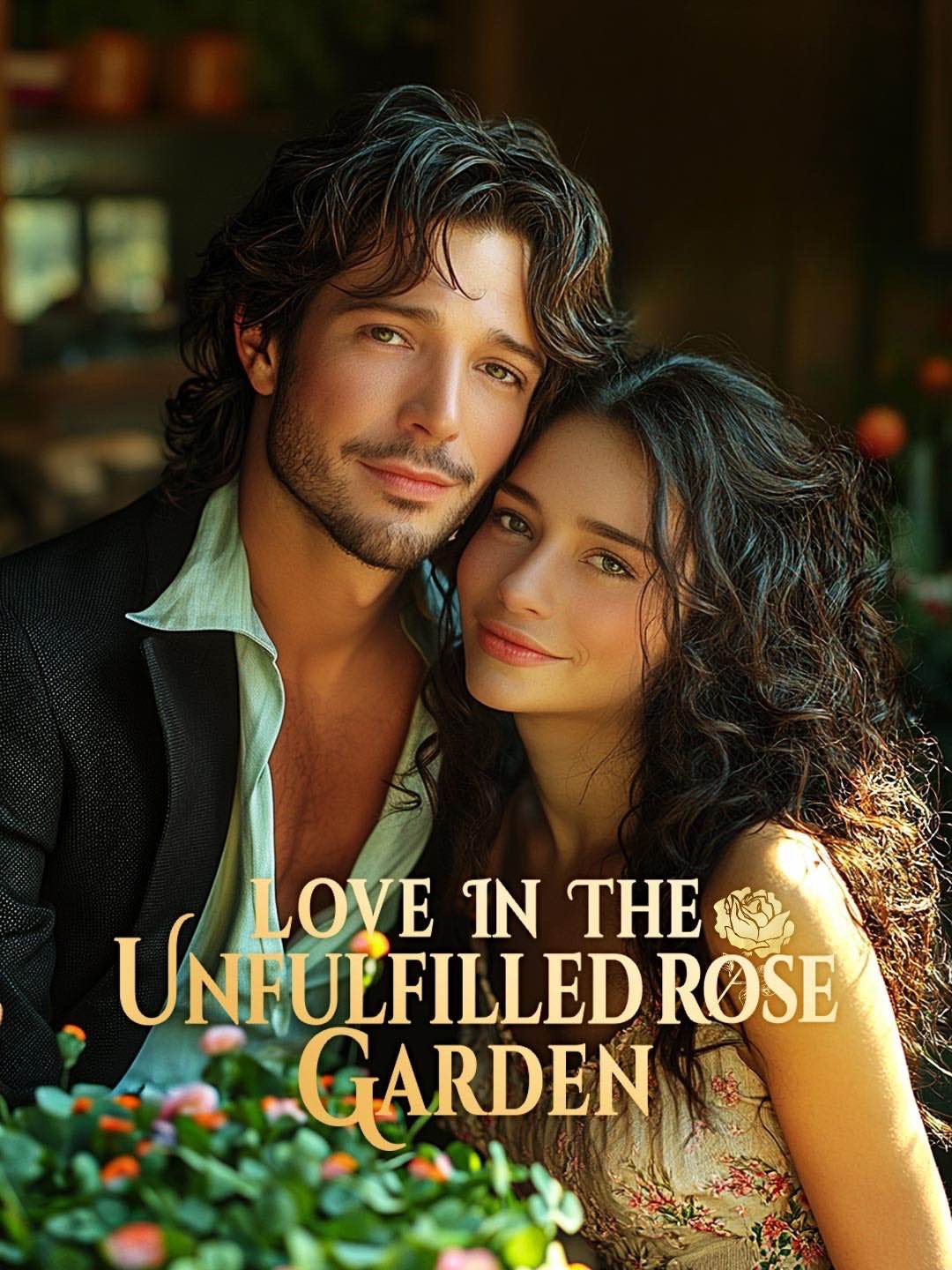
After agreeing to unite another family by marriage, I gave up my two most important friends because they only cared for the girl I sponsored. They said that the girl was pure and had suffered so much but remained innocent, so she should be well protected. Therefore, they let her turn my small rose garden into a vegetable garden and force me not to eat seafood that I was allergic to, repeatedly wronging me to indulge her evil thoughts. I finally woke up and chose to leave their lives. This time, I let myself go and let them go.
Limited-time free event: This free viewing activity is jointly launched by ReelShort and FreeDrama. Click the button to download the APP and watch all episodes of Love In The Unfulfilled Rose Garden for free.
In Love In The Unfulfilled Rose Garden, the protagonist’s quiet sacrifice is weaponized against her—not by villains, but by those she trusted most. Her decision to support a vulnerable girl through sponsorship is twisted into moral leverage: her friends recast compassion as obligation, and innocence as entitlement. The rose garden—a symbol of her tenderness, identity, and personal sanctuary—becomes ground zero for erasure, literally converted into a utilitarian vegetable patch. Even her physical boundaries are violated, as she’s forced to avoid seafood despite life-threatening allergies—all in service of shielding someone who, far from innocent, exploits collective sympathy to dominate.
The drama masterfully exposes how moral grandstanding can mask emotional coercion. Her two closest friends don’t just side with the sponsored girl—they actively dismantle the protagonist’s autonomy, reframing her discomfort as selfishness and her resistance as cruelty. Their rhetoric (“she suffered so much but remained innocent”) functions as dogma, silencing dissent and pathologizing self-preservation. What makes Love In The Unfulfilled Rose Garden so resonant is its refusal to villainize one person; instead, it implicates a system where empathy is selectively applied—and loyalty is conditional on self-erasure.
Her departure isn’t impulsive—it’s the culmination of quiet recalibration. Leaving isn’t rejection; it’s reclamation. By walking away, she restores the sanctity of her own values, health, and voice. The final act—letting go of both the garden and the people who reshaped it without her consent—is profoundly healing. It affirms that love shouldn’t demand annihilation of the self. Ready to experience this emotionally precise, quietly devastating story? Download the FreeDrama App now.
Love In The Unfulfilled Rose Garden is not just a short drama, it’s like a mirror reflecting the struggles and growth of the characters…
This short drama Love In The Unfulfilled Rose Garden is a double impact on visuals and emotions…
Each episode of Love In The Unfulfilled Rose Garden is like a little puzzle…
Limited-time free event: This free viewing activity is jointly launched by ReelShort and FreeDrama. Click the button to download the APP and watch all episodes of Love In The Unfulfilled Rose Garden for free.