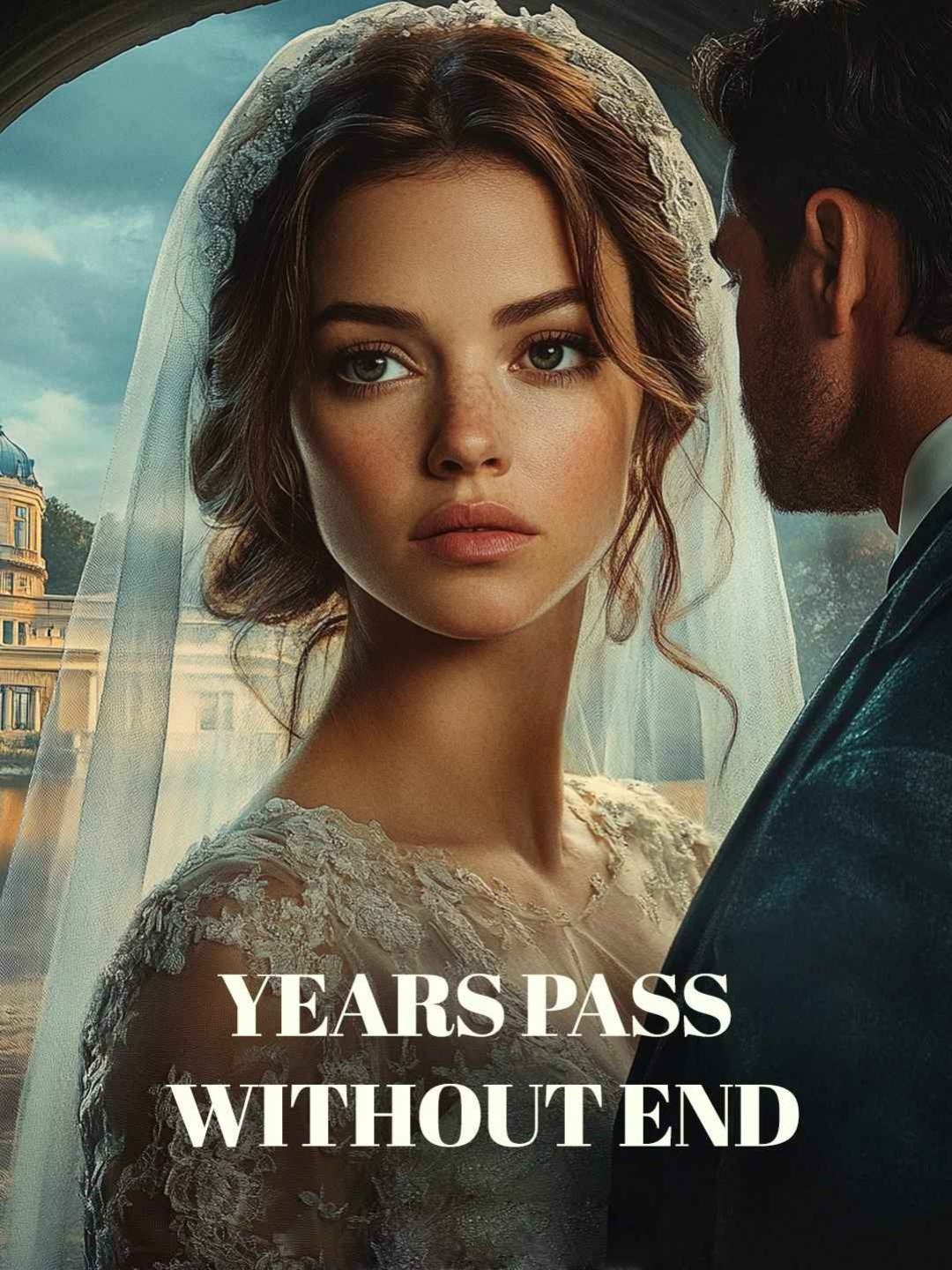
My husband of thirty years, Bryce Burton, announced at his retirement party that he would be taking in his deceased brother's wife, Camille Fields, to stay with us temporarily. The guests praised him for his kindness. I rubbed my aching back, watching like an outsider as my children attentively cared for Camille. My son Martin Burton suggested, "The master bedroom has better lighting, and Camille's health is poor—she needs natural sunlight. Mom, why don't you move to the small cabin on the north side?" My grandson Lucas Burton happily said, "I like my new grandma. She draws with crayons, unlike old grandma whose pictures aren't pretty at all." Bryce threw away all my paintings. "These paints could trigger Camille's asthma. You've been painting for forty years without gaining any recognition. Just live a peaceful life and stop talking about dreams." That night, Bryce stayed in Camille's room. Later during the holidays, the whole family took Camille on a world tour, leaving me alone at home. Bryce frowned at me and said, "You should stay home. We'll share photos with you." I sat motionless all day, carefully reflecting on my entire life. I had given up my opportunity to study abroad so my husband could complete his doctorate. I raised our children, cared for his parents, and in the end, I was cast aside by them all. I found the invitation to the International Senior Artists Exhibition. I no longer want this family. For my remaining years, I should pursue my dreams.
Limited-time free event: This free viewing activity is jointly launched by ReelShort and FreeDrama. Click the button to download the APP and watch all episodes of My sixty-year-old husband had two concubines for free.
What appears as noble compassion—Bryce Burton’s decision to “temporarily” welcome his late brother’s wife, Camille—is revealed as a calculated erasure. The retirement party applause masks a quiet coup: Camille swiftly replaces the narrator—not just in the master bedroom, but in family hierarchy, affection, and even artistic dignity. Her crayon drawings are celebrated while forty years of the protagonist’s paintings are discarded, deemed hazardous to Camille’s asthma—and symbolically, irrelevant to the new domestic order.
The narrator’s arc is heartbreakingly precise: she sacrificed her study-abroad dream for Bryce’s doctorate, mothered their children, cared for his aging parents—and was ultimately rendered invisible. The world tour without her, the grandson’s casual dismissal (“old grandma whose pictures aren’t pretty”), and Bryce’s cold directive to “live peacefully” expose how deeply patriarchy weaponizes kindness. Her turning point isn’t anger—it’s clarity: finding the International Senior Artists Exhibition invitation becomes an act of self-reclamation, not rebellion.
This story resonates because it refuses melodrama; its power lies in quiet accumulation—the aching back, the motionless hours, the careful reflection that precedes reinvention. My sixty-year-old husband had two concubines frames the premise, yet the real narrative centers on the woman who walks away—not in defeat, but with brushes in hand and an exhibition deadline in sight. My sixty-year-old husband had two concubines is less about polygamy than about the systemic silencing of women’s ambition across decades—and the breathtaking courage it takes to finally speak, paint, and belong to oneself. Download the FreeDrama App to watch this poignant, layered story unfold.
My sixty-year-old husband had two concubines is not just a short drama, it’s like a mirror reflecting the struggles and growth of the characters…
This short drama My sixty-year-old husband had two concubines is a double impact on visuals and emotions…
Each episode of My sixty-year-old husband had two concubines is like a little puzzle…
Limited-time free event: This free viewing activity is jointly launched by ReelShort and FreeDrama. Click the button to download the APP and watch all episodes of My sixty-year-old husband had two concubines for free.